
If you’re looking to learn more about gold because you’re interested in buying or selling this metal, you’ll want to know how to differentiate between the different types of gold. There are different types of gold available in different colors and purities. What changes gold’s color and strength are how much other metals are mixed in with pure gold. There are also different forms of gold available for buying and selling, including gold bars, gold coins, and gold jewelry.
Those interested in learning more about the different types of gold can find out everything they need to know about gold forms, color, and coatings from PCL Group. We can help explain the important differences between different types of gold.
Key Takeaways: The Different Types of Gold
- Gold comes in several physical forms, bars, coins, jewelry, nuggets, and dust/leaf — each suited to different goals, from investing to gifting
- Gold’s color (yellow, white, rose, green, and rarer shades like blue or purple) comes from which metals are alloyed with it, not from the gold itself
- Higher-karat gold has more pure gold and less alloy, making it softer but more valuable per gram
- Solid gold, gold-filled, and gold-plated pieces differ in how much real gold they contain and how durable they are. Gold-filled holds up far better than gold-plated
- The best type of gold for you depends on your goal: higher purity (coins, bars) for investment, or more alloyed gold (jewelry) for durability and a lower price point
Types of Gold by Form
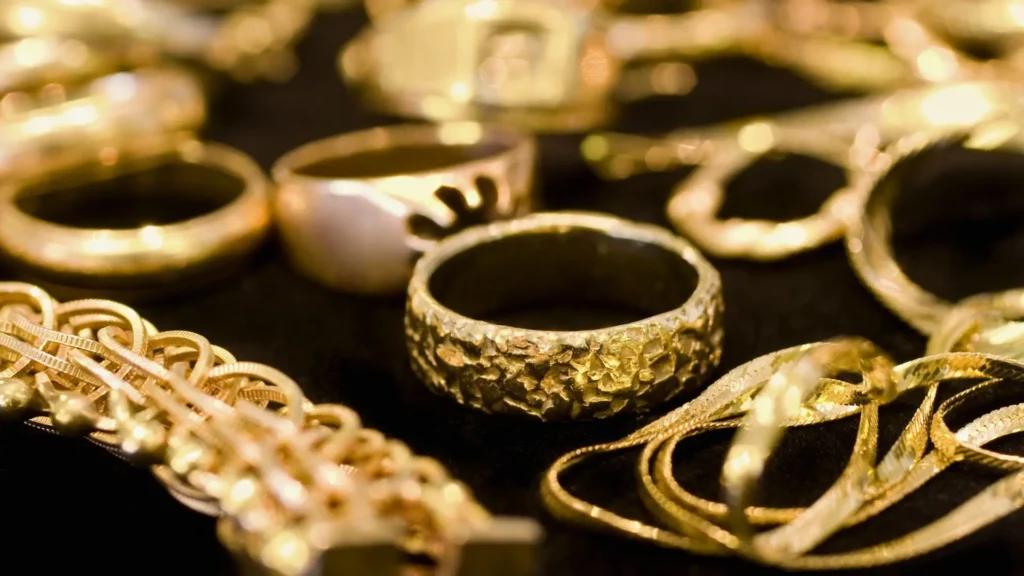
Gold is available in many different physical forms. Some of these forms can make great investments, while others are stylish gifts. No matter what form of gold you purchase, it will be valuable.
Gold Bars
One of the most valuable forms of gold, gold bars are solid blocks of gold. This is not just any gold; this is high-purity, 24-karat gold. These bars are metallic in nature and are made up of nearly 100% fine gold. You can invest in gold bars to store your wealth, as these bars retain their value and protect your wealth from the uncertainty of the market. This is why gold bars are so highly sought after by wealthy investors.
Gold Coins
Another popular investment item is the gold coin. A gold coin is made almost entirely out of gold, with many close to 99.9% pure gold. Like gold bars, gold coins are highly sought after by investors. Collectors also crave gold coins, due to how rare they are. Since they are made of 24-karat gold, they are soft and can scratch easily. However, their purity gives them a distinct color.
Gold Jewelry
You won’t find many other pieces of jewelry that are desired more than gold jewelry. Decorative and pure, gold jewelry has become highly sought after as an accessory for daily wear. Gold jewelry includes necklaces, watches, rings, earrings, and bracelets. There are different karats and purities of gold jewelry, as well as different colors of gold. You should know that gold jewelry is very soft, which means it can be easily scratched. However, it has an eye-catching look that makes it desirable.
Gold Nuggets
Gold nuggets are found in nature, typically mined directly from rivers or streams. These solid lumps of gold are created naturally in mineral-rich water. It begins as hot fluid that dissolves and cools, separating into solid gold deposits. Over the course of thousands of years, rain will eventually break these gold deposits away from a larger rock and carry them through rushing water into rivers and streams. Unlike gold bars or coins, these gold nuggets are never 100% pure gold. They may be over 70% gold, but they never get up to 99% gold. Still, their rarity makes them very valuable, in fact more valuable than standard gold bullion.
Gold Dust & Leaf
Tiny bits of gold are typically either gold dust or gold leaf. You will recognize gold dust as tiny flakes of gold, like a fine mineral powder, while gold leaf is gold metal that is beaten down into thin, narrow sheets of gold. Both gold dust and gold leaf are edible and are often used for gourmet baking and mixed cocktails. They are both used for the stunning visual effect they create for desserts.
Types of Gold by Color
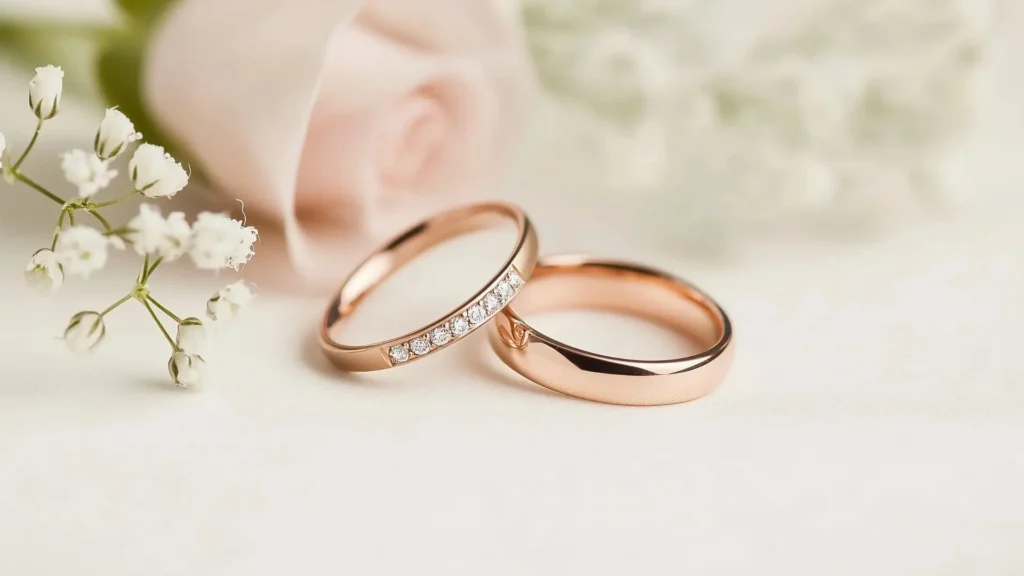
The different colors of gold are created by different metals mixing with pure gold. Typical metals you’ll find mixed with pure gold include silver, copper, nickel, and zinc. When these metals mix with gold, it creates unique colors, such as traditional yellow and white gold or specialty colors like green gold or black gold. Learn more about the different colors of gold you can find and how they are created.
Yellow Gold
The most common color of gold, yellow gold, is made when pure gold is mixed with silver, copper, and zinc. When you think of gold, this is the classic look most people think of. The rich yellow color is created when a pure gold base is blended with alloy metals. The amount of metals in yellow gold can vary. Yellow gold of a higher karat has more pure gold and less metal.
White Gold
White gold is made when pure yellow gold is mixed with white metals, for example nickel and zinc. White gold will have a bright, silvery color with a shiny finish. With more of a metal composition, white gold is harder and stronger than yellow gold.
Rose Gold
When you mix pure yellow gold with copper, and maybe a tiny amount of silver, you get rose gold. What’s unique about rose gold and how it gets its name is the pink or red tint you get when copper is mixed with pure gold. The other distinctive feature of rose gold is its durability, as copper is a harder metal than most other metals mixed with pure gold. Therefore, rose gold is stronger than yellow gold or white gold.
Green Gold
Green gold is made when pure gold is mixed with silver. The result you get is a subtle green appearance. Green gold is a naturally occurring gold alloy and is also known as electrum. This gold is often used to make jewelry and is also the gold used to make Nobel Prize medals.
Other Gold Colors
Other metallic-colored golds include blue gold, purple gold, and black gold. These golds are much rarer than common golds like yellow or white gold. These rare golds have unique colors, which is how they get their distinctive names. Purple gold is made by combining pure gold with aluminum, while blue gold is formed when pure gold combines with elements like iron or gallium. Black gold is actually made by jewelers when white or yellow gold gets a dark surface treatment for a black finish.
Types of Gold by Coating
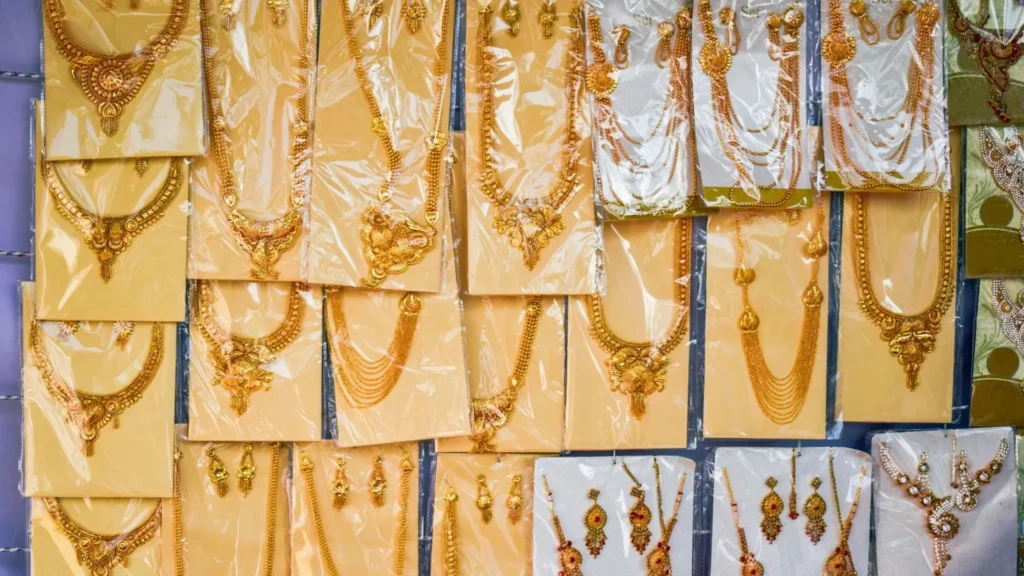
If you want to mimic the look of rare gold pieces, you can do so through gold coatings. This is when a layer of gold is welded onto a base metal. Gold coating gives base metals a stylish finish, helping them look like pure gold pieces, but at a much cheaper cost.
Solid Gold
Solid gold requires no coating. It has a high percentage of actual gold, which means a gold coating is not needed. If you purchase an expensive piece of gold jewelry, it is likely solid gold.
Gold-Filled
Gold-filled jewelry mimics the look of solid gold but can be had at a price that is nowhere near as expensive as actual solid gold. A gold-filled piece is created by bonding a thick layer of gold over a base metal. This creates a piece that looks just like pure gold but is much more durable and long-lasting.
Gold-Plated
A gold-plated coating is created by taking a very thin layer of gold and applying it to a metal like copper or brass. You will get jewelry pieces with gold finishes, but with low durability. That makes gold-plated coating a solid option for cheap pieces of jewelry or even costume pieces.
What are Gold Alloys?
When two or more metals are mixed with pure gold, you get gold alloys. Metals are added to pure gold because pure gold is very delicate and can scratch easily. Adding metals like copper, silver, or nickel makes your gold material harder and stronger. When alloys are added to pure gold, you’ll see a change in the color of your gold. Pure gold has a natural yellow shade, but adding metals to it can make it look warm yellow, white, rose, green, blue, or purple. Adding metal will also change the purity of your gold. Purity is measured in karats, so gold with a higher karat has a higher percentage of pure gold. The lower the karat, the more gold alloys that are included.
What Type of Gold is Best for You?
Finding and selecting the right gold for you depends on the goal of the purchaser. Some gold buyers are looking for high-end pieces of jewelry or valuable collectibles, while others are looking for gold investments. There are plenty of options for gold, including different gold forms, gold colors, and gold coatings. If you’re looking for rare gold, you want gold that is of higher purity, typically gold coins or gold bars. Gold jewelry tends to have more metals in it, which will lower the price for you, but might take away that valuable pure-gold look. What type of gold is best for you depends on what you’re looking for.
Reviewing the Different Types of Gold
Different types of gold options are available for different buyers on the open market. Whether you want to invest in valuable gold bars, purchase high-end gold jewelry, or collect rare gold coins, you need to understand the different types of gold available to you. Different options for gold vary by color, form, and coating. A gold expert can help you determine which type of gold is best for you.
Looking to buy or sell gold? Contact PCL Group today for help.
The Different Types of Gold: FAQs
White gold is real gold. It’s not pure gold, but it does have a mixture of different metals that help make it durable. A coating of rhodium gives white gold a bright color.
The difference between gold-filled and gold-plated jewelry is in the amount of gold that’s bonded to a base metal. Jewelry that is gold-filled has a thick layer of gold that’s bonded to the outside of the core base metal. Meanwhile, gold-plated jewelry gets coated with a thin, almost microscopic layer of gold over the base metal. You can see the difference in terms of durability, as gold-filled jewelry is tough and highly resistant to wear and tear, whereas gold-plated jewelry gets scratched easily.
Copper is what gives rose gold its pink color. Copper has a reddish-brown color. When this metal is mixed with gold, it creates the pink color of rose gold.