
Two pieces of silver can look identical and hold very different amounts of actual silver. A bullion coin, a sterling bracelet, and a plated serving tray share the same bright finish, yet their metal content and actual value can vary widely. Knowing the different types of silver helps collectors, estate executors, and anyone holding inherited flatware, coins, or jewelry understand what they own before buying, selling, or borrowing against it.
Key Takeaways: The Different Types Of Silver
- Silver purity is measured in parts per thousand, so a 925 stamp means 925 of every 1,000 parts are silver.
- Fine silver (999) is the purest form and is used mainly for bullion because it is too soft for everyday wear.
- Sterling silver (925) is the most widely used alloy for jewelry and tableware.
- Marks like EPNS, A1, and “nickel silver” indicate plated pieces or metals with no silver at all.
- Melt value sets the minimum worth of a piece, while maker, age, and collectibility can push a piece’s value much higher.
How Is The Purity Of Silver Measured?
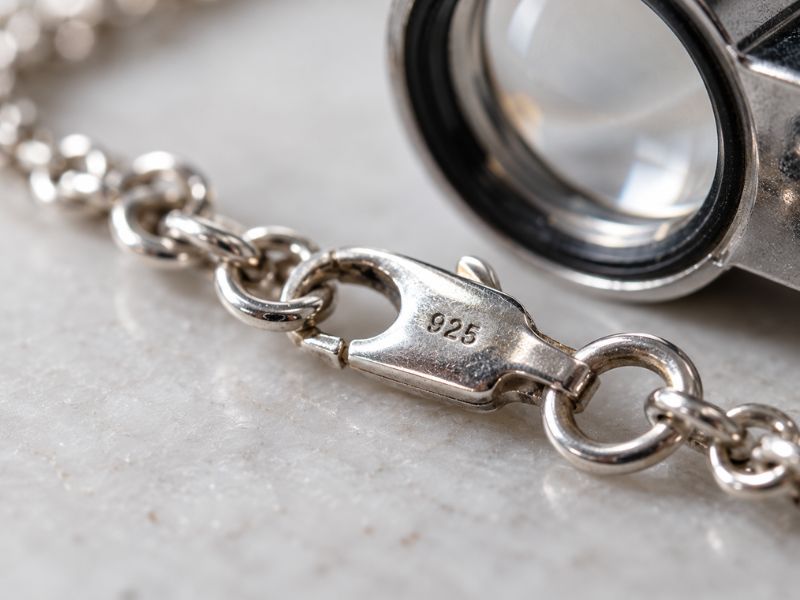
Silver purity is measured by fineness, expressed in parts per thousand. A piece stamped 925 contains 925 parts silver out of 1,000, or 92.5%. The rest is made up of other metals, most often copper. In silver grading, a higher grade means more silver relative to other metals.
Pure silver is very soft, so it is usually alloyed with other metals to hold up well for everyday use. The tradeoff is tarnish, since a higher concentration of alloyed metals makes tarnishing more likely.
On most solid silver, the fineness appears as a small stamped number, or a word such as “Sterling”. British silver goes a step further with silver hallmarks, including a row of small symbols that also show who made the piece and where its purity was tested. Older pieces from other countries sometimes use their own numbering systems, so an unfamiliar stamp can still mean solid silver.
The Main Types Of Silver
Sterling is the most familiar of the different types of silver, but many other standards regularly turn up in jewelry boxes, coin collections, and estate sales.
Fine Silver (999)
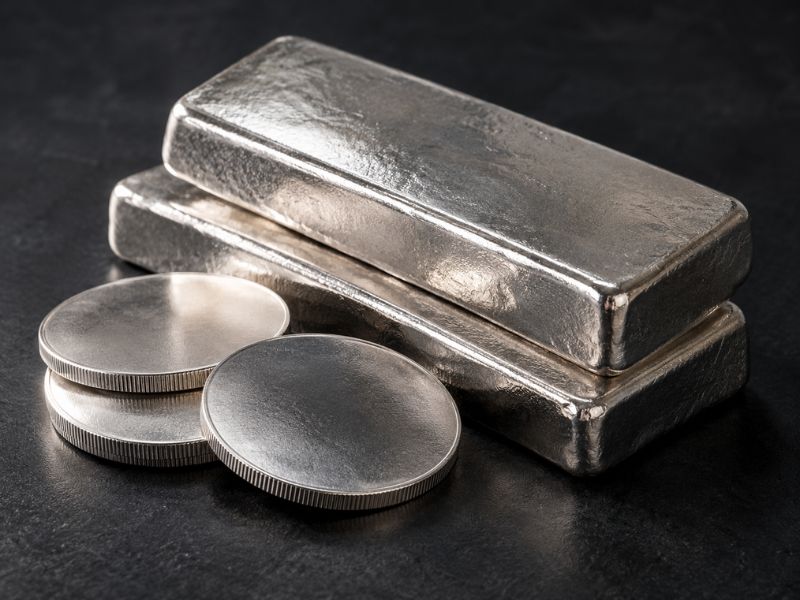
Fine silver is at least 99.9% pure and is the standard for silver bullion traded on international commodities markets. It is too soft for most jewelry and tableware and is prone to scratches and bending.
Britannia Silver (958)
Britannia silver contains about 95.84% silver, with copper or other metals making up the rest. England created the standard in the 17th century partly to stop silver coins from being melted down, and made it the compulsory fineness in Britain from 1697 to 1720. Many of these pieces still carry a seated Britannia figure.
Argentium Silver (935 and 960)
Argentium is a modern alloy made at 93.5% or 96% silver, combined with germanium, zinc, boron, and copper. Germanium and similar additives improve tarnish resistance and help prevent firescale (a red or purple discoloration that can appear when silver is heated). No silver alloy is completely tarnish-proof, but Argentium needs far less polishing than sterling to stay bright.
Sterling Silver (925)
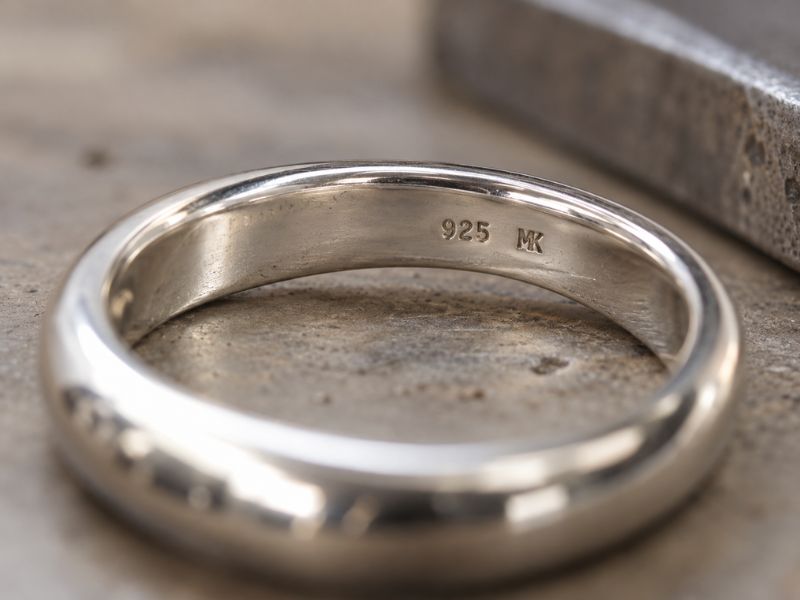
Sterling silver is 92.5% silver and 7.5% other metals, usually copper. It is the UK and international standard and may be stamped 925, Sterling, STG, or with a lion passant. Sterling grade dominates the silver market, though its copper content makes it more prone to tarnishing than finer silver.
Coin Silver (900)
Coin silver is roughly 90% silver and 10% copper and was originally made from melted coins. US coinage silver followed the 90% standard for over a century. Dimes, quarters, half dollars, and silver dollars were all made from it through 1964.
European Silver (800 to 835)
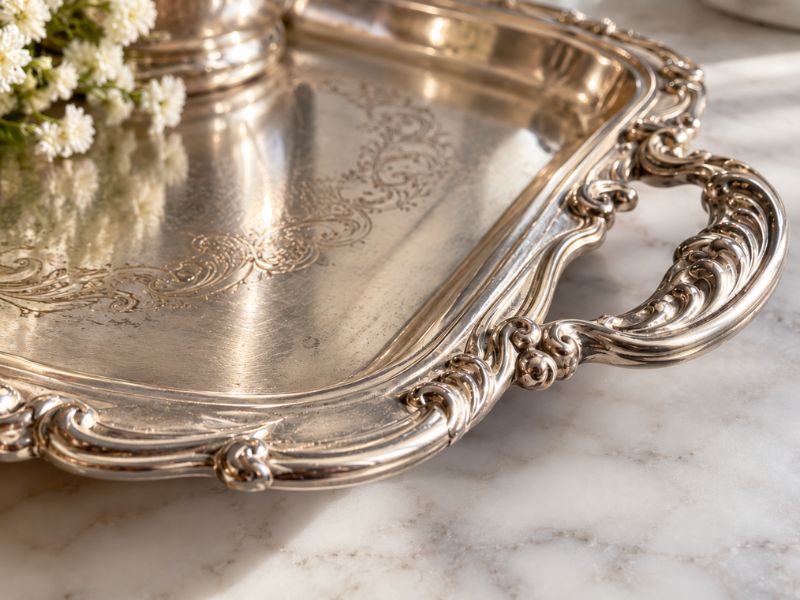
European, or continental, silver covers several standards below sterling. The most common European silver fineness is 800, which appears on German and Italian pieces. Scandinavian silver is typically 830, while 835 commonly appears on German and Dutch tableware. Occasionally, 850 silver can be considered European silver. Silver at 800 is sometimes called “German silver,” a confusing label because the same name can also refer to an alloy that contains no actual silver at all.
40% Silver
Kennedy half dollars dated 1965 through 1970 contain 40% silver, or 4.6 grams in each 11.5-gram coin. Kennedy halves made for circulation after 1970 contain no silver and are generally worth only 50 cents. The two look nearly identical, so checking the date on the coin is the quickest way to tell them apart.
Silver-Plated & Silver-Filled
Silver-plated and silver-filled pieces carry a layer of silver only on the outside, over a less valuable base metal.
Silver-plated pieces have a very thin layer of silver and are often marked EPNS, EP, or A1. The metal underneath is often nickel silver, which contains no actual silver despite its name.
Silver-filled pieces have a thicker layer of sterling bonded to brass. The sterling makes up 5% to 10% of the piece’s weight, and these pieces may be marked SF, 1/20, or 1/10.
A Closer Look at the Types of Silver
| Type | Silver Content | Common Alloys | Typical Use |
| Fine silver | 99.9% | None (or very small amounts of trace) | Bullion, coins, investment bars |
| Britannia | 95.84% | Copper or other metals | Traditional British silverware, some jewelry |
| Argentium | 93.5% or 96% | Germanium, zinc, boron, copper | Low-maintenance jewelry |
| Sterling | 92.5% | Usually copper | Jewelry, flatware, decorative items |
| Coin silver | 90% | Copper | Pre-1965 US coins, 1800s American silverware |
| European | 80% to 85% | Copper or other metals | Continental tableware and jewelry |
| 40% silver | 40% | Base metals | 1965 to 1970 Kennedy half dollars |
| Silver-plated | Thin surface layer | Base metal core, often nickel silver | Flatware, serving pieces, fashion jewelry |
| Silver-filled | 5% to 10% by weight | Brass core | Affordable jewelry |
How Much Is Each Type Of Silver Worth?
Comparing the different types of silver by value starts with melt value: the worth of the raw metal at the current spot price, before dealer margins or refining fees. The formula is:
Melt Value = Weight (troy oz) × Purity × Spot Price
Precious metals are weighed in troy ounces. One troy ounce equals 31.1035 grams, compared with 28.35 grams for a standard ounce, so a weight in grams must be divided by 31.1035 first. Skipping that step inflates the result by about 9%.
At the May 8, 2026 spot price of $80.59 per troy ounce, 100 grams of each type works out to roughly:
| Type | Purity | Melt Value (100 g) |
| Fine silver | 99.9% | $258.84 |
| Britannia | 95.84% | $248.32 |
| Sterling | 92.5% | $239.67 |
| Coin silver | 90% | $233.19 |
| European (800) | 80% | $207.28 |
| 40% silver | 40% | $103.64 |
Spot prices change throughout the trading day, so these figures are only a snapshot.
Melt value is only a starting point in valuation. Dealers usually pay a little less than melt value. The difference covers their costs of confirming purity, shipping the metal to a refinery, and paying refining fees before the silver can be sold. On the other hand, age, craftsmanship, and a well-known maker can make a piece worth far more than its silver content. For that reason, it’s wise to identify the maker of any marked piece before selling it by weight.
What Type Of Silver Is Best For Jewelry?
Like pure gold, pure silver is too soft for most jewelry, so most silver jewelry is made from alloys mixed with other metals for strength. More alloy means more durability, though copper-heavy alloys tarnish faster. The best type of silver for jewelry depends on how much wear a piece will experience.
Best Silver For Rings & Bracelets
Rings and bracelets take constant contact with hands, desks, and countertops. Sterling silver is durable enough for daily wear, which makes it the most popular choice for these pieces. Argentium offers similar or higher silver content with far less tarnishing, a good fit for wearers who would rather polish less. Fine silver scratches and bends too easily for pieces that see this much use.
Best Silver For Earrings & Necklaces
Necklaces and earrings sit away from the hands, so they avoid most of the bumps and scrapes of daily life. That makes softer silver a practical choice for these pieces. Fine silver works well for delicate earrings and necklaces, while sterling remains a dependable option. Silver-filled pieces outlast plated ones, because the base metal can eventually show through since thin plating can wear through to the base metal. Nickel silver is best avoided for pieces worn against the skin, since it may trigger nickel allergies.
Summarizing the Different Types of Silver
The different types of silver range from 999 fine silver used in bullion to plated pieces with only a thin silver surface. The number stamped on a piece shows how much of it is silver. Melt value turns that number into a dollar figure based on the day’s spot price, while for pieces with a known maker, real age, or fine craftsmanship, the true value can be well above that figure. For jewelry, sterling and Argentium handle daily wear well, while fine silver suits delicate pieces.
Looking To Buy Or Sell Silver? Contact PCL Group
PCL Group offers private, one-on-one evaluations for gold, jewelry, and coins, whether you’re looking to sell silver, borrow against a piece, or simply get an accurate answer. Every evaluation is backed by the latest XRF technology to verify purity, along with Sigma Metalytics tools designed specifically for testing gold and silver coins, so you can trust the number you’re given. Reach out to schedule a consultation.
The Different Types of Silver: FAQs
Start with the stamp. Numbers like 800, 830, 835, 900, 925, 950, or 958 indicate solid silver, while EPNS, EP, A1, Alpacca, and nickel silver stamps indicate plate or no silver content. Wear points also tell a story: plating rubs through on rims, handles, and feet, revealing a yellower or grayer metal underneath. Silver is not magnetic, so a piece that pulls toward a magnet has a base metal core. For certainty, jewelers and appraisers can test a piece’s fineness directly.
By weight, 999 silver is worth more because it contains more silver per ounce. A sterling piece can still be worth far more than its 999 equivalent when the maker, age, or craftsmanship carries collector value. Antique sterling from a recognized silversmith is often valued on those qualities first and its metal content second.
The eight different types of silver covered above are the most common, but many more standards exist. Some antique shops list 13 purity stamps, including Russian 875, French first standard 950, and Scandinavian 830. Padmam counts 11 grades, including “Tibetan” and “tribal” silver, which contain no silver at all.